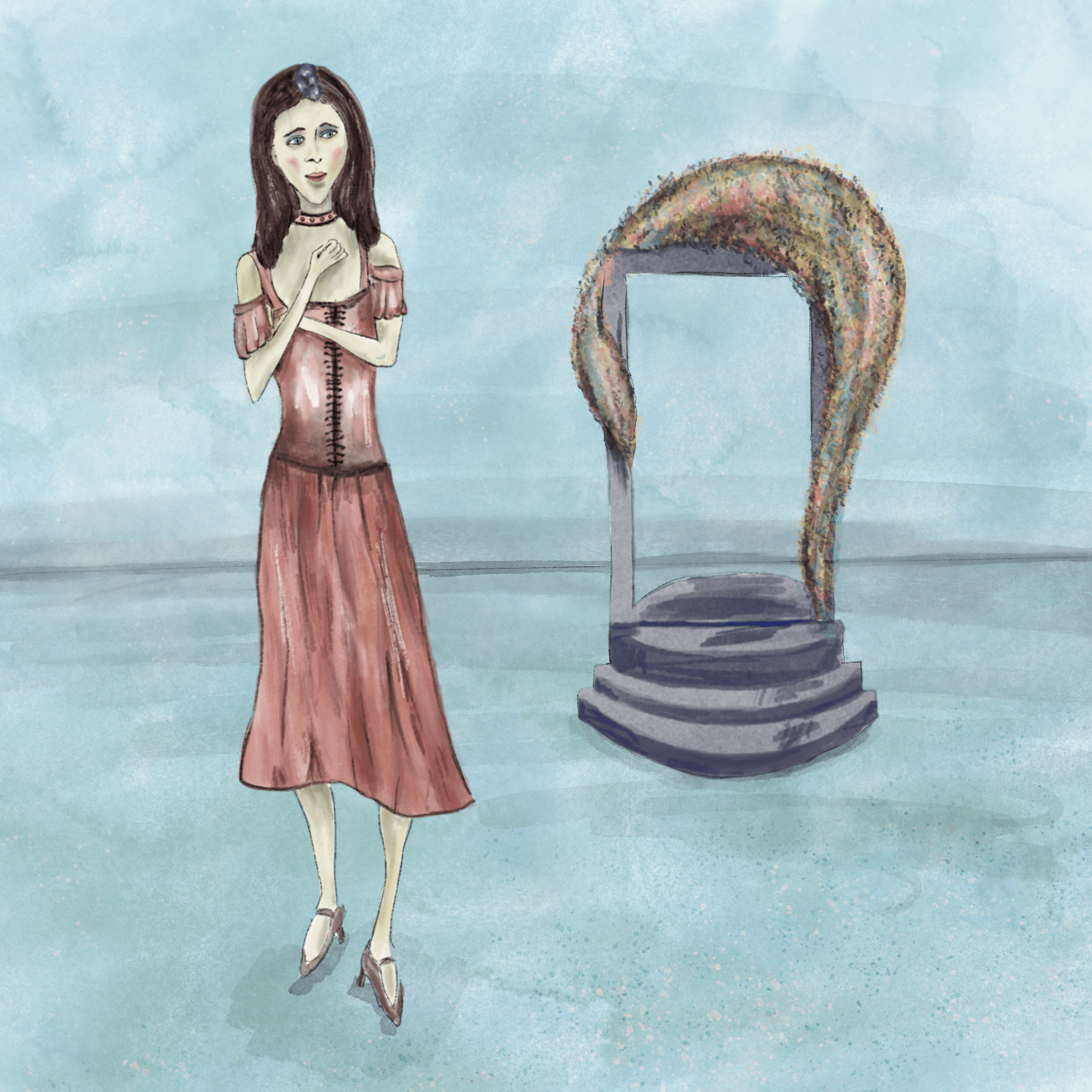
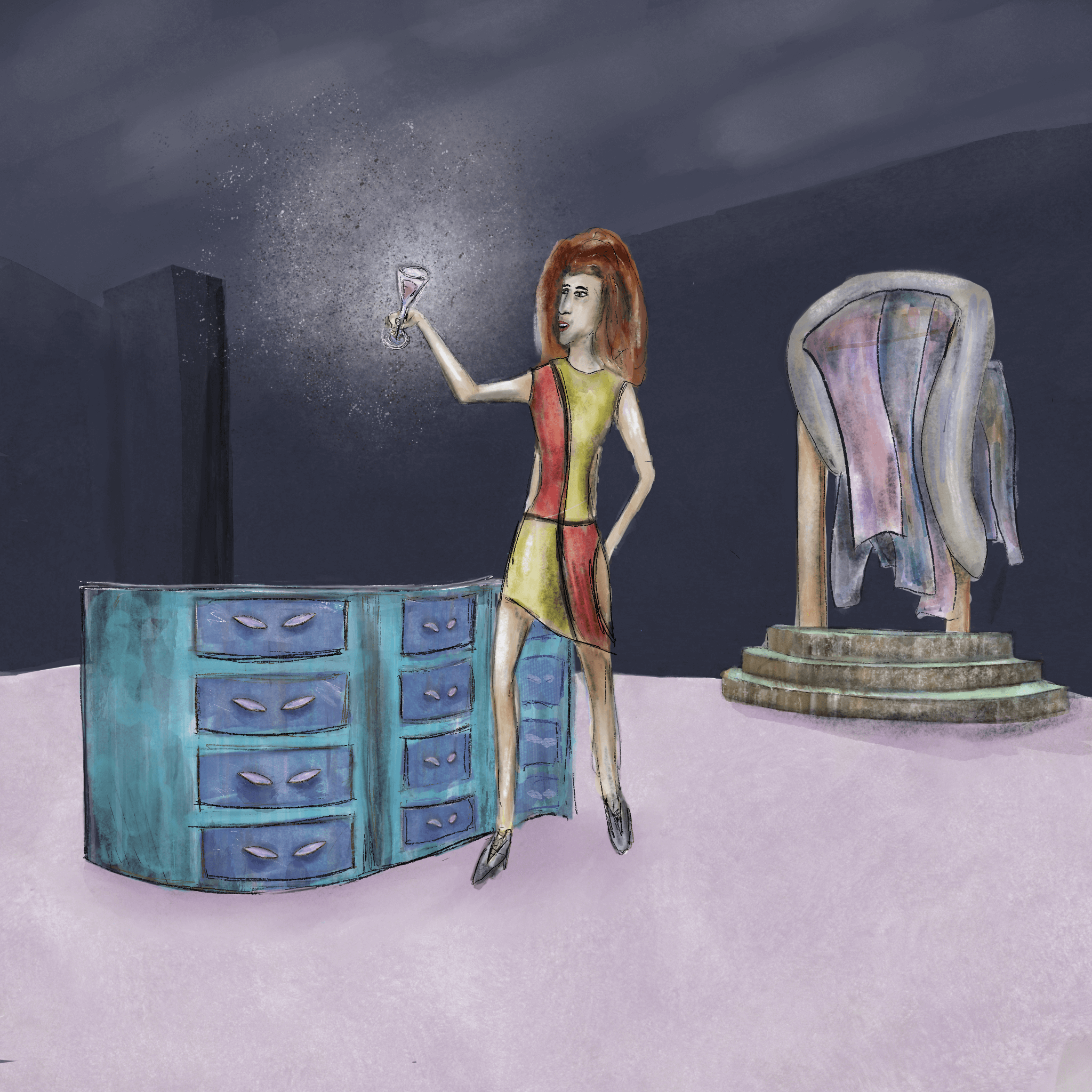
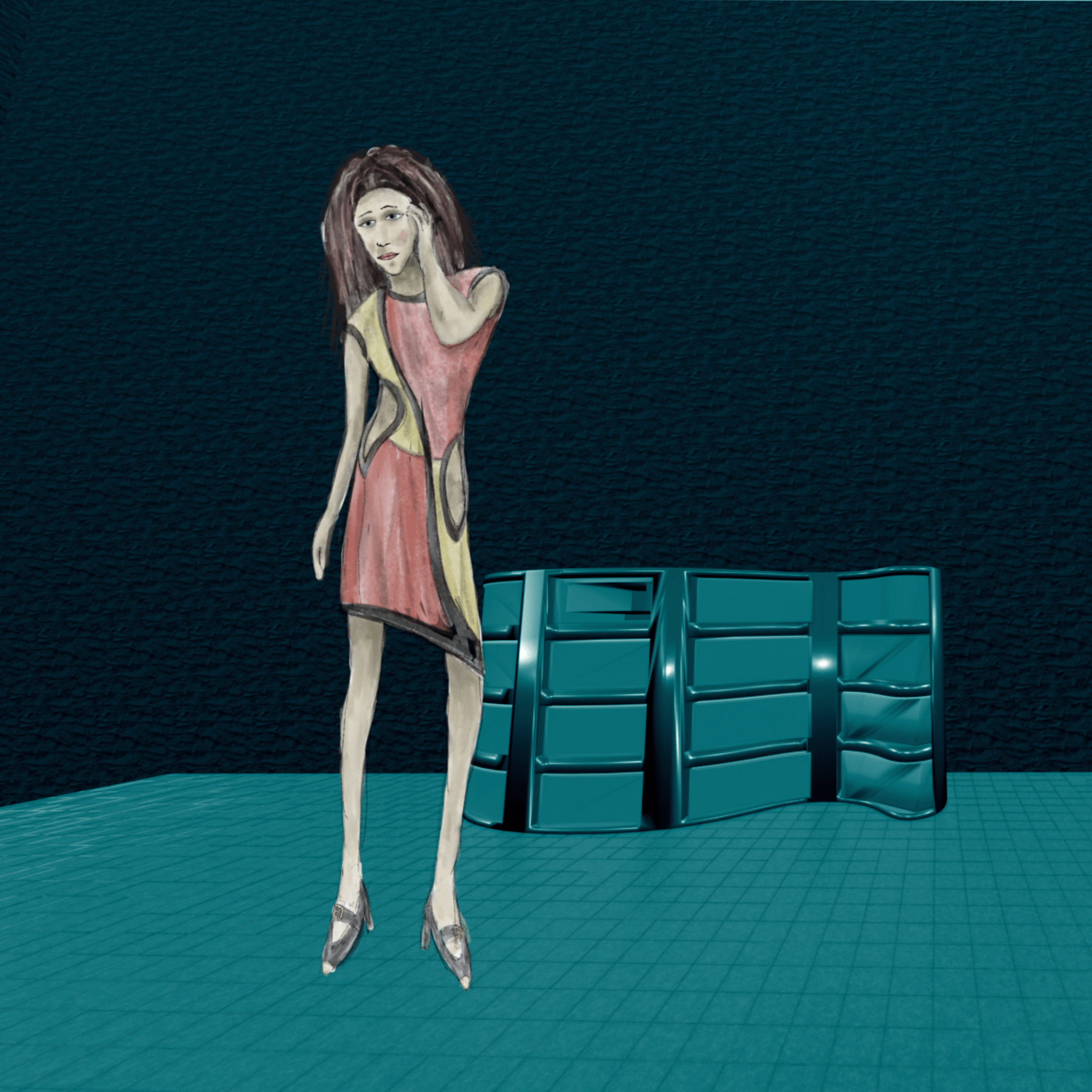
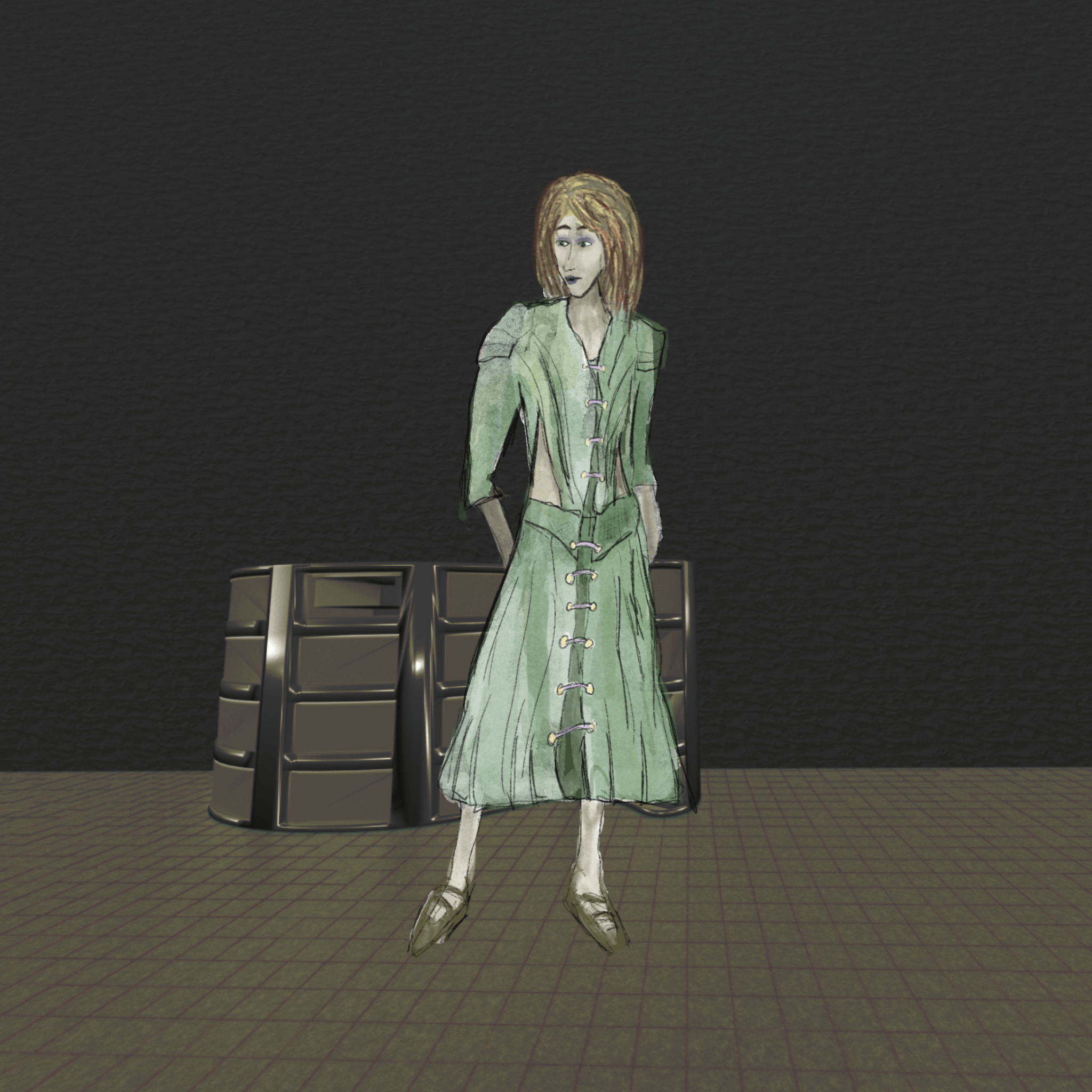
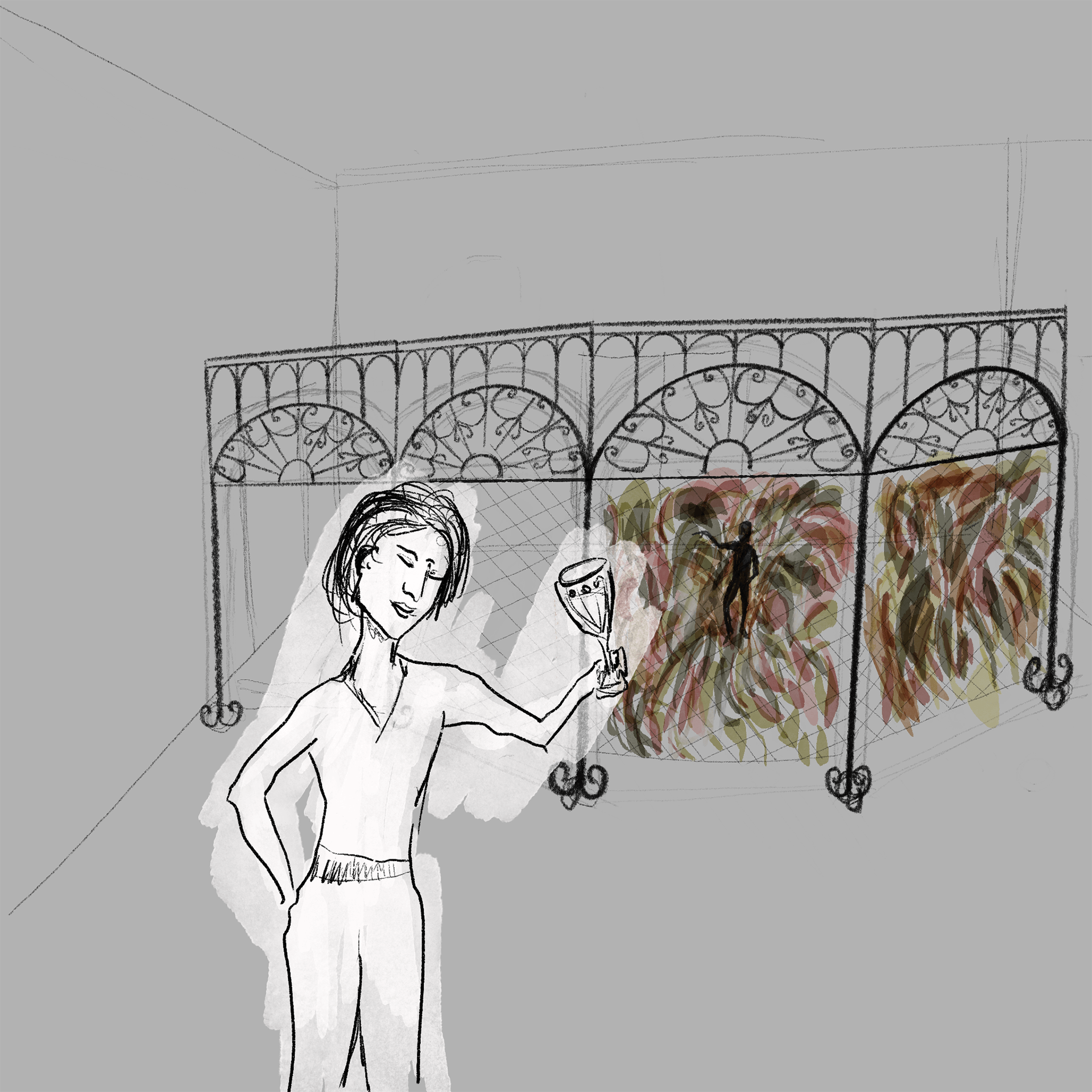
The themes of La Traviata centre on a world of contrast and change. Giuseppe Verdi’s original story was based in 19th-century Paris, centred around the courtesan Violetta and her love affair with nobleman Alfredo. The tragic opera continues to resonate today with themes that highlight contrast amongst peer expectation, divergent realities in pursuit of pleasure, and the price of presenteeism that the characters experience through the story.
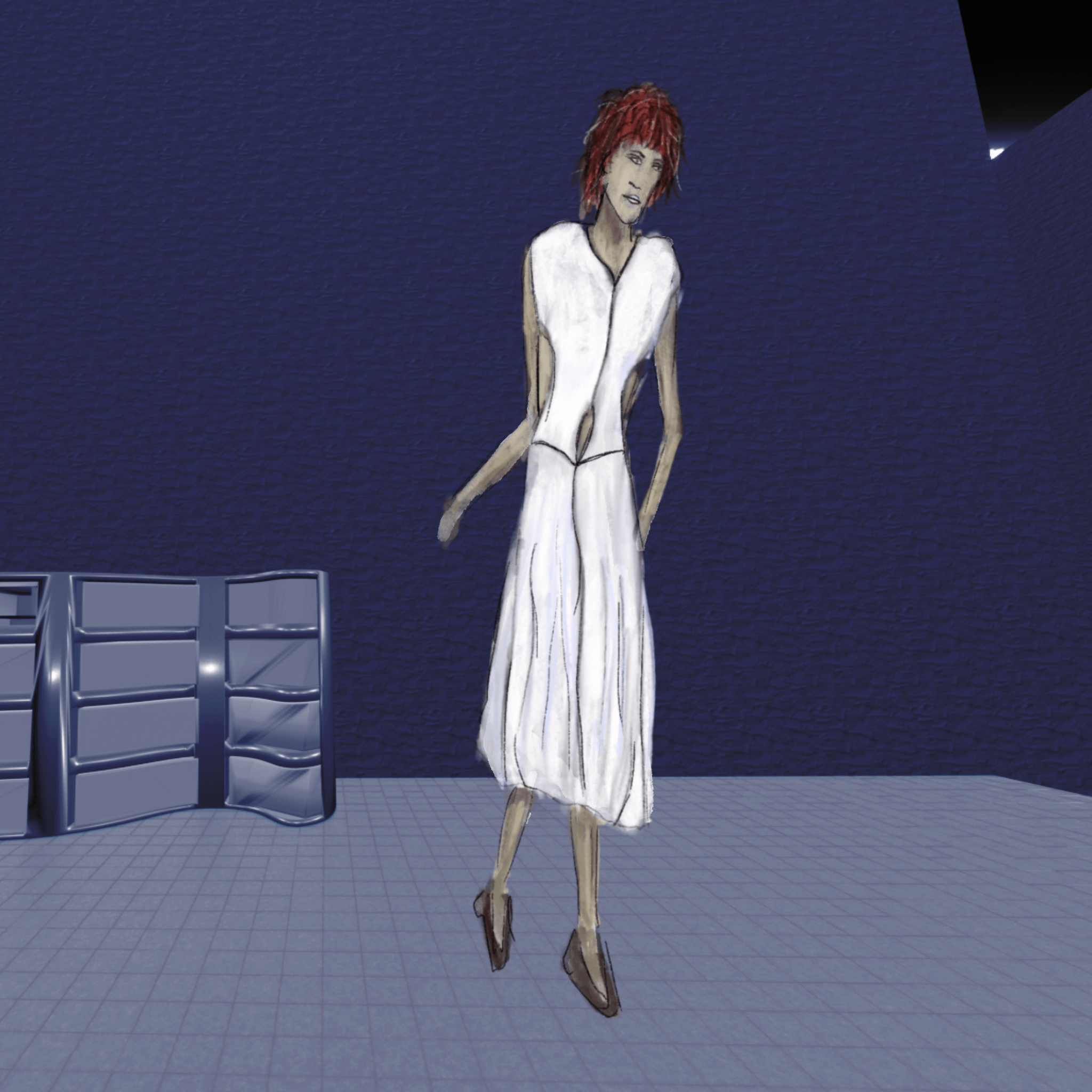
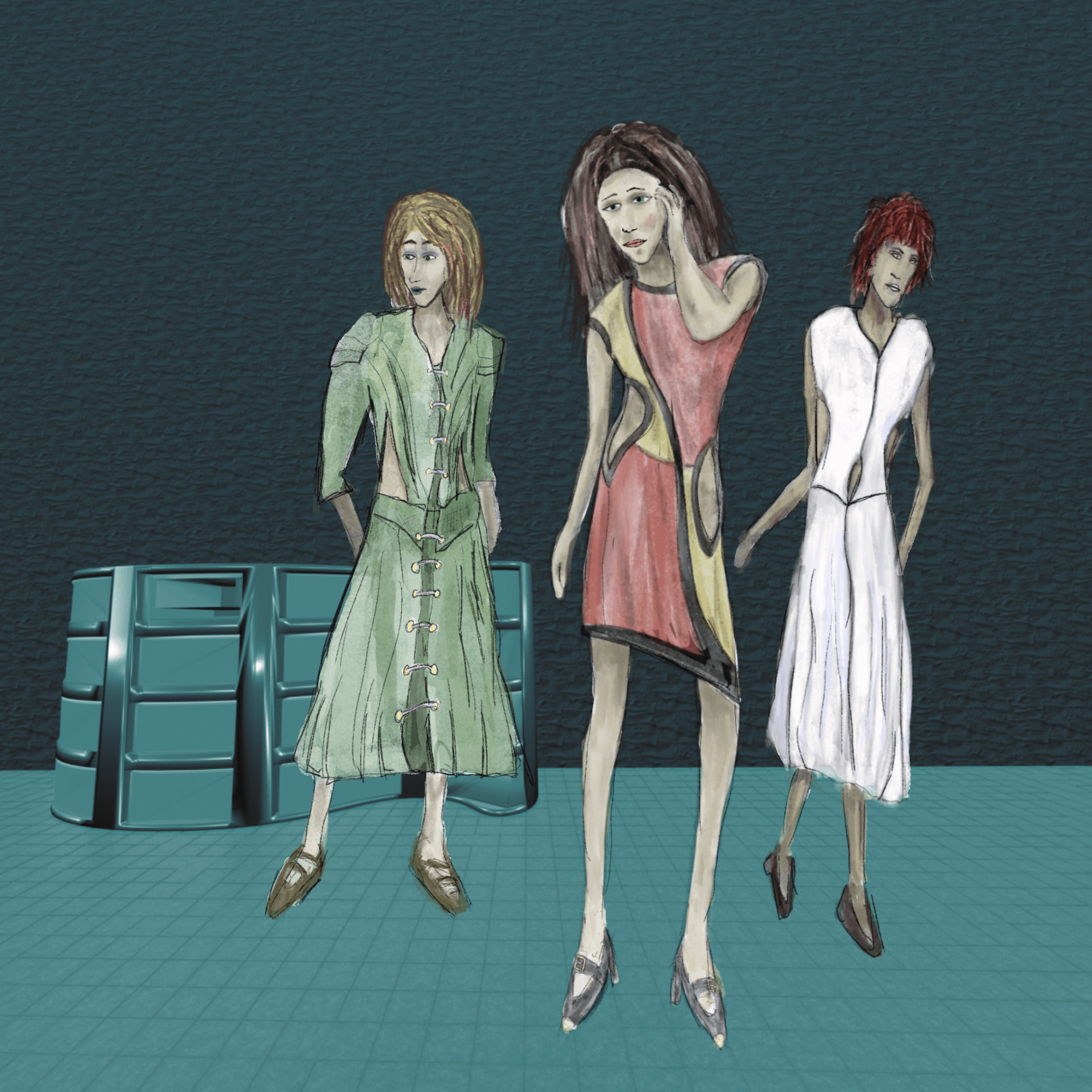
The set and costume design was conceived to explore these themes: as fashions evolve. expectations change, private spaces like the boudoir become more public as people constantly perform for an audience – constructed snippets projected to a digital audience. An image of the self, however perfectly portrayed, is inevitably shattered by the ultimate contrast of life and death. These themes are reimagined for a modern audience, rooted in the spirit of art nouveau Paris.
The process
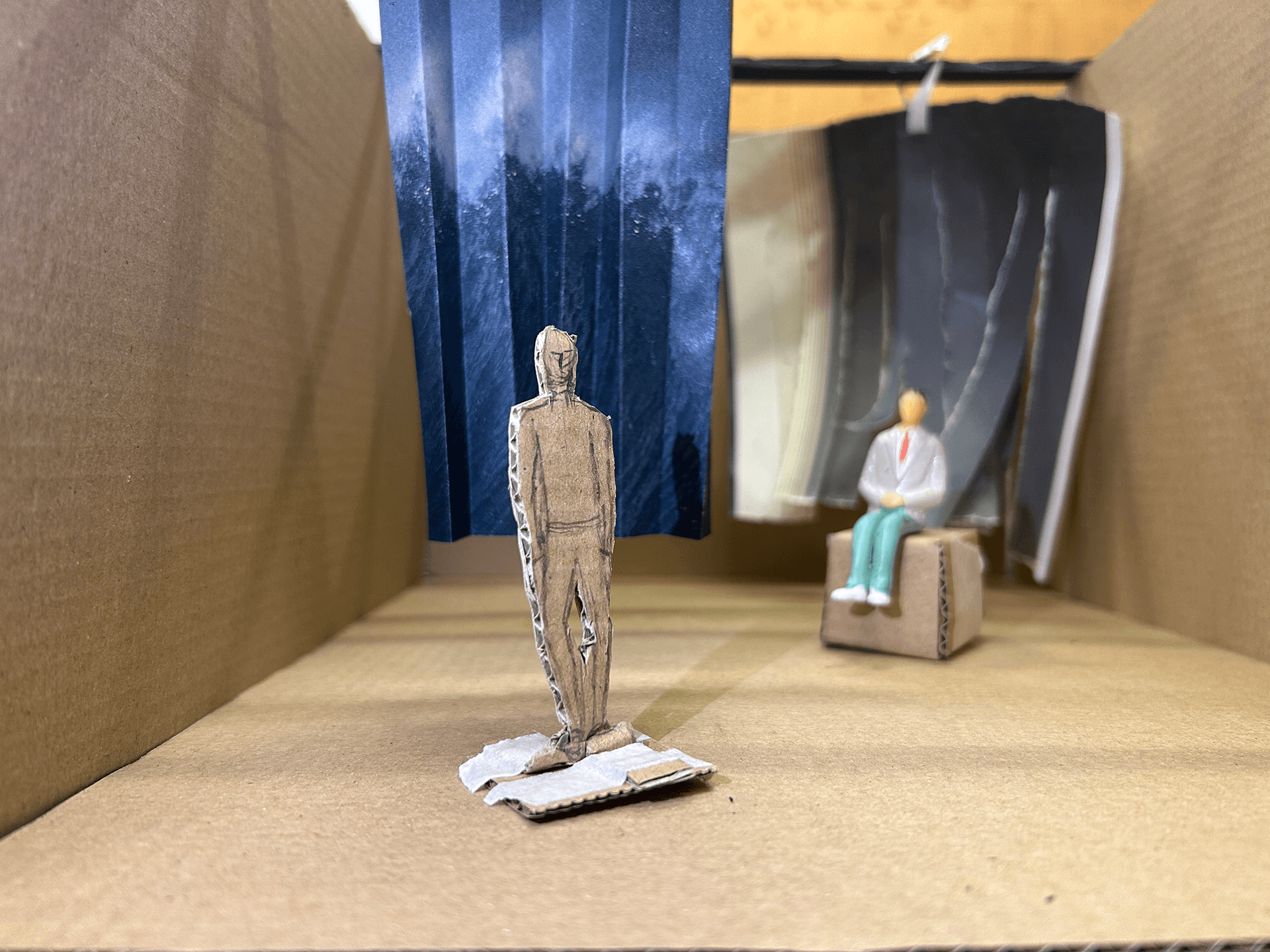
A set was designed for Verdi’s popular opera La Traviata, which was re-interpreted for London’s Park Theatre space. Produced for the Central Saint Martins Set Design For Performance Short Course, the creative process involved theme and script research, producing storyboards and mood boards, and making a model box to develop the design. Using the Park Theatre technical specification, the finalised set design concept was modelled in 3D using Blender.
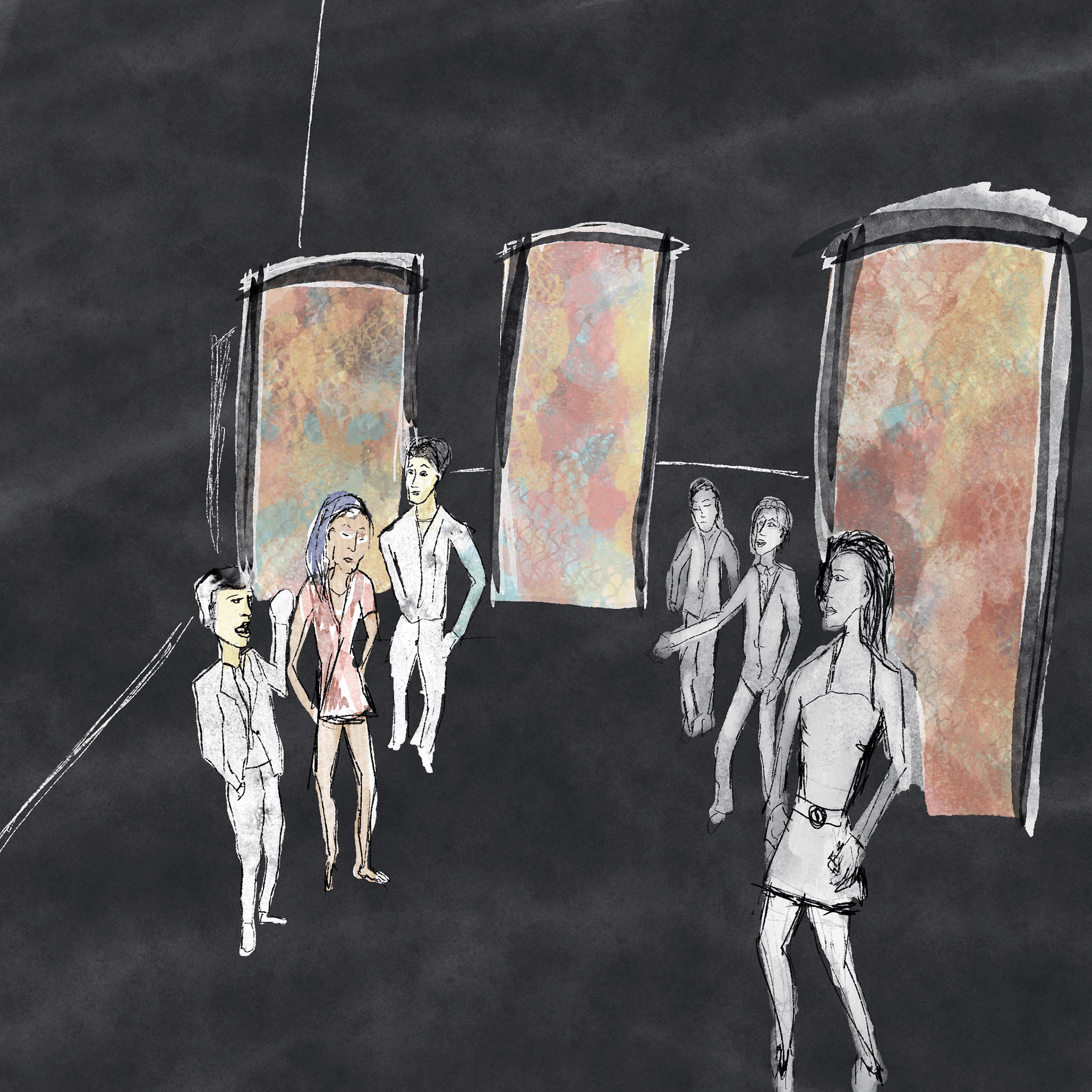
The story of this interpretation of La Traviata centres on Violetta, a prominent character in decadent Soho, London, somewhere between the glitz, glamour and trash culture in the plentiful speakeasy bars. High society and shady night-time characters here rub shoulders in pursuit of the same things – pleasure, glamour, status, and belonging.
The concept model
In Act One, Soho’s basement bars offer a setting for the relationships of Violetta, Alfredo and his father to flourish, flicker and fizzle amongst the noise, chatter and clatter of the buzzing social scene. A flirt and some-time performer, Violetta, is admired from afar by the well-to-do Alfredo, though who lacks the social gravitas. Giorgio Germont, Alfredo’s father, is the nightclub baron who keeps order and respect amongst revellers.
Act Two sees the city’s complexities travel with the united lovers as Violetta and Alfredo attempt a new life in the countryside. Only for the old desires to re-emerge. To savour life’s fleeting pleasures (and peach schnapps), to control one’s subjects and wider family, or to simply to be home. These desires combine to the detriment of Violetta’s health to expose them in a stark final Act.
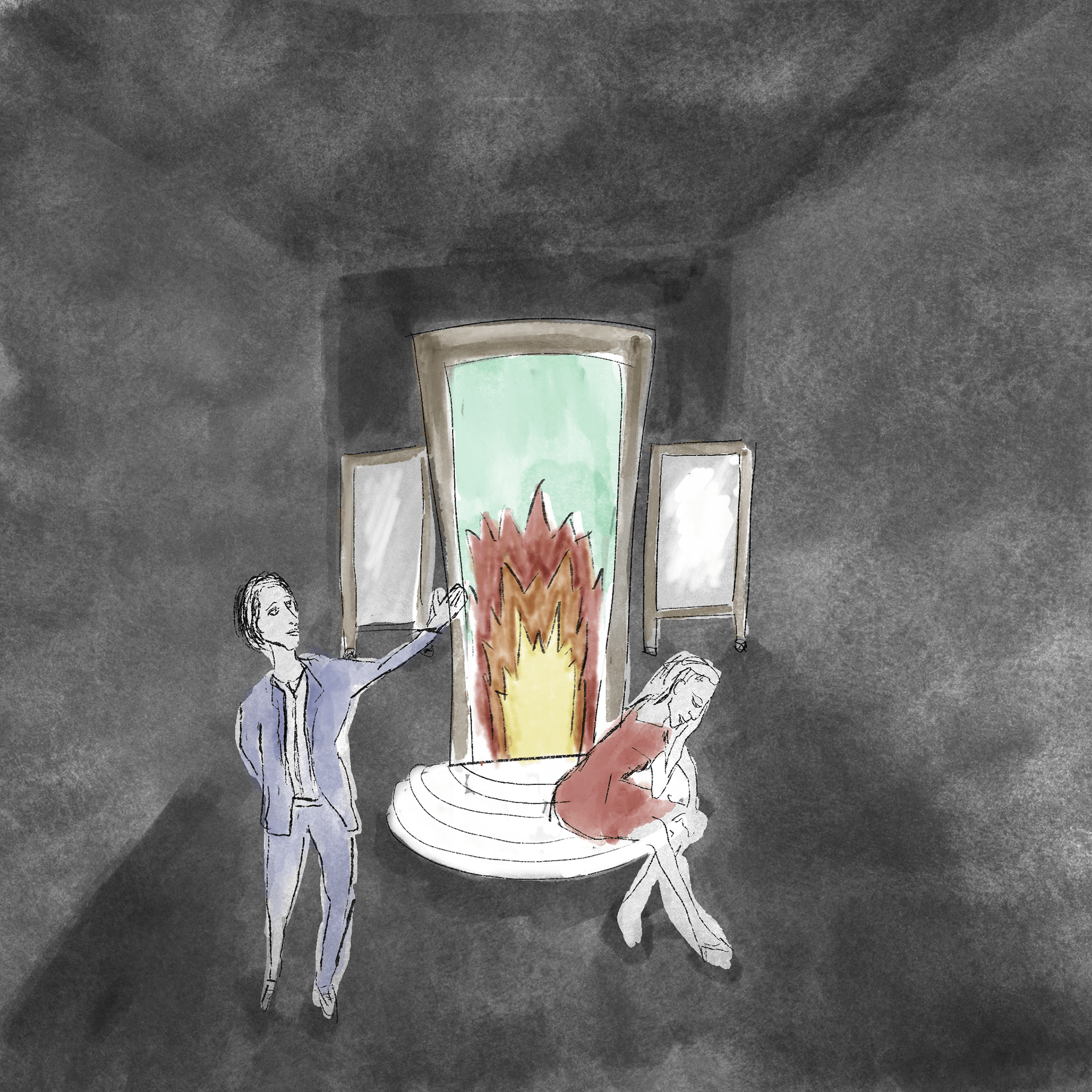
Distress, deterioration and enforced self-reflection are themes of the culmination of the story in Act Three. Illness strikes Violetta as the veil of a superfluous joy is removed, making way for the character to see only herself. Can she reconcile her past pursuit of joy with the sadness of her situation?